Joining two metals by using a nonferrous filler through welding is called breezing. Fillers are made up of tin, copper, lead, silver, nickel and their alloys. Main metals do not reach melting point during welding process, but a filler, because of having a lower melting point, melts and fills the gap (space) between two metals.
Lead-Tin filler is usually used under 450 centigrade in soldering Breezing, using silver, is done between 450 to 870 centigrade. Breezing, using copper, is done between 1030 to 1100 centigrade.
(Please click on each photo to enlarge it.)
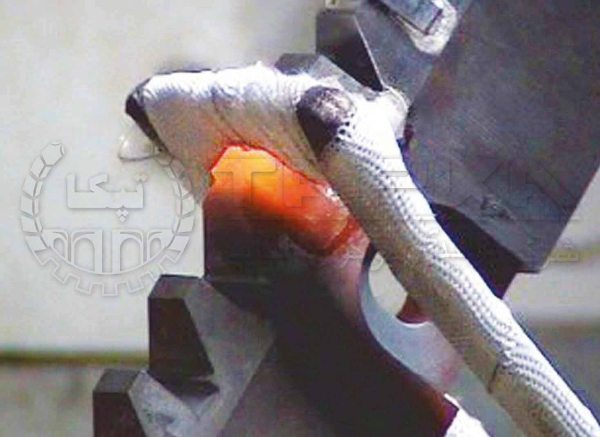
The quality and strength of breezing depends on some factors mentioned below:
- Chemical Cleanliness (Flux)i
- Temperature Control
- Clearance Between The Surfaces
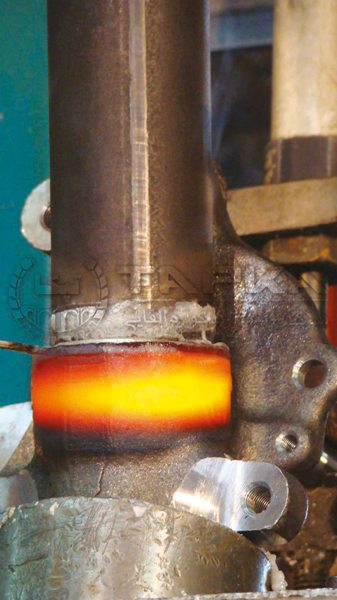
There are some advantages that induction breezing has over heating, using fossil flue:
- Transferring more energy to surface
- Faster heating speed, so increasing production
- Controlling and regulating temperature, easily and precisely
- Reducing the risk of over heating
- Reducing the risk of cold breezing
- Reducing pollution and work place security
Since breezing melts are designed and produced at the request of customers, please contact the sales department for more information.